

Figure 1. Low-stress epoxy potting gently absorbs internal stress around sensitive electronic components.
Introduction
In modern electronic assemblies, long-term reliability issues often emerge after encapsulation, even when environmental protection appears sufficient. Among these issues, component cracking caused by internal stress is one of the most difficult to diagnose and prevent.
Low-stress epoxy potting systems are increasingly used in stress-sensitive electronics to address this hidden failure mechanism by controlling how stress is generated, transmitted, and absorbed within the encapsulated structure.
Why Component Cracking Occurs After Potting
Component cracking rarely originates from external impact. Instead, it is commonly associated with internal mechanical stress introduced during curing and operation.
Key contributing factors include:
- Differences in coefficients of thermal expansion (CTE) between epoxy, PCB substrates, and electronic components
- Thermal cycling during operation, storage, or qualification testing
- Rigid encapsulation behavior that constrains movement rather than accommodating it
When these factors combine, stress tends to concentrate at brittle interfaces, such as ceramic capacitor bodies and fine solder joints.
Stress Concentration in Stress-Sensitive Components
Not all electronic components respond to encapsulation stress in the same way.
Components most vulnerable to cracking include:
- Ceramic capacitors (MLCCs)
- Miniature sensors and MEMS devices
- Fine-pitch solder joints and terminations
These components have limited tolerance for tensile and shear stress. When stress is transferred directly from a rigid encapsulant, micro-cracks may form, leading to intermittent failure or latent reliability risks.

Figure 2. Comparison of stress concentration behavior in rigid versus compliant epoxy encapsulation.
How Low-Stress Epoxy Potting Changes Stress Behavior
Low-stress epoxy potting systems are designed to modify material behavior, not merely provide environmental sealing.
Key mechanisms include:
- Elastic deformation within the cured epoxy, allowing movement to be absorbed internally
- Reduced curing shrinkage stress, minimizing initial stress introduction
- Stress redistribution, preventing localized stress peaks at component interfaces
Rather than locking components in place, low-stress epoxy acts as a mechanical buffer, reducing stress transfer to fragile parts.
Thermal Cycling and Long-Term Reliability
Thermal cycling is a primary driver of stress-related failure in encapsulated electronics.
During repeated temperature changes:
- Materials expand and contract at different rates
- Stress accumulates if movement is constrained
- Cracks may initiate and propagate over time
Low-stress epoxy potting systems help mitigate this risk by accommodating thermal movement through controlled compliance, supporting improved long-term reliability in demanding applications.
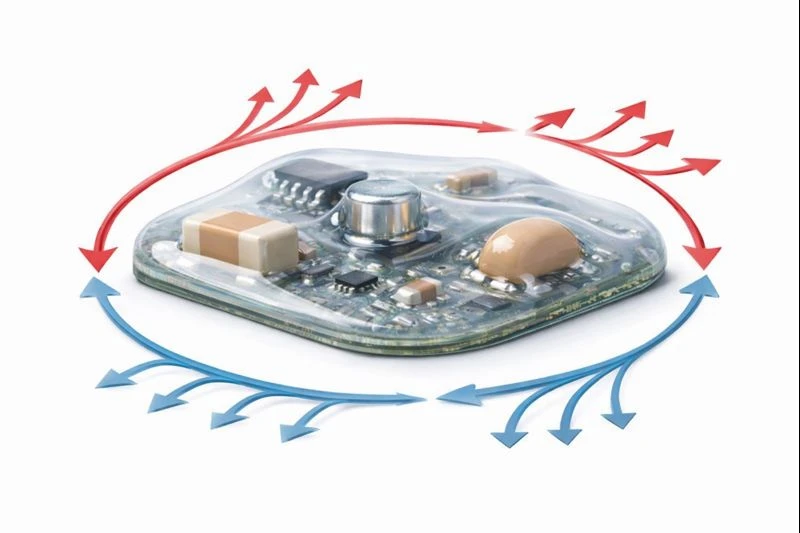
Figure 3. Low-stress epoxy accommodates thermal movement during temperature cycling
Design Considerations for Using Low-Stress Epoxy Potting
While low-stress epoxy potting offers significant reliability benefits, proper design evaluation remains essential.
Key considerations include:
- Component layout and spacing
- Potting thickness and geometry
- Curing profile and thermal exposure
- Validation under real operating conditions
Low-stress materials should be selected as part of a holistic reliability strategy, rather than as a drop-in replacement.
When Low-Stress Epoxy Potting Is Most Effective
Low-stress epoxy potting is particularly effective in applications involving:
- Stress-sensitive electronic components
- Mixed-material assemblies with significant CTE differences
- Repeated thermal cycling environments
- Designs prioritizing long-term reliability over structural rigidity
In these cases, managing stress behavior is often more critical than maximizing encapsulation stiffness.
Related Product Reference
For applications requiring controlled stress behavior in encapsulated electronics, see:
🔗→ Low-Stress Epoxy Potting for Stress-Sensitive Electronics Applications | E-768 / H-768
(This link intentionally focuses on application context rather than material


