



Clear epoxy is a game - changer in the world of resins, with a wide range of applications from art and crafts to industrial uses. As a clear epoxy supplier, I've heard tons of questions about how it works. So, let's dig into the nitty - gritty of clear epoxy and figure out the science and practical aspects behind it.
The Basics of Clear Epoxy
Clear epoxy is a two - part system, typically consisting of a resin and a hardener. When you mix these two components together, a chemical reaction called polymerization takes place. This reaction causes the liquid mixture to gradually harden and turn into a solid, clear, and often glossy finish.
The resin is usually a viscous liquid, and it's the main building block of the epoxy. The hardener, on the other hand, is what triggers the polymerization process. Each type of epoxy has a specific ratio of resin to hardener that you need to follow for the best results. For example, some might require a 1:1 ratio, while others could be 2:1 or even different ratios depending on the product.
The Polymerization Process
Once you mix the resin and the hardener, the molecules in the two substances start to react with each other. The hardener contains molecules with reactive groups that can link up with the molecules in the resin. As these links form, they create long chains of polymers.
This chain - building process is exothermic, which means it releases heat. You might notice that the mixture gets warm as it starts to cure. The amount of heat generated can vary depending on the type of epoxy, the quantity you're mixing, and the ambient temperature.
The curing time of clear epoxy is also affected by the polymerization process. In general, the reaction speeds up at higher temperatures and slows down at lower temperatures. If it's too cold, the reaction might not occur properly, and the epoxy may not cure fully. On the other hand, if it's too hot, the reaction can happen too quickly, leading to issues like bubbles and uneven curing.
Applications of Clear Epoxy
Clear epoxy has a ton of applications, and that's why it's so popular.
Art and Crafts
In the art world, clear epoxy is used for all sorts of things. For instance, you can use it for a technique called "doming." If you're into making stickers or working with flexible substrates, our Soft Clear Doming Epoxy Resin for Stickers and Flexible Substrates|E - 1155 / H - 1155 is a great choice. It gives a beautiful, clear, and durable finish, making your stickers look professional.
You can also use clear epoxy for resin art. Artists often pour epoxy over paintings or sculptures to add a high - gloss, glass - like finish. It can enhance the colors and textures of the artwork, making it stand out.
Industrial Uses
In the industrial sector, clear epoxy has many important applications. One of them is LED encapsulation. Our LED Encapsulation Epoxy Resin - 140°C Heat Resistance, High Transparency | E - 600 / H - 600 | Fong Yong is designed specifically for this purpose. It protects the LED components from environmental factors like moisture and dust, while also providing high transparency so the light can shine through effectively.
Another industrial use is for making river tables. River tables are a trendy type of furniture where a resin "river" is created in the center of a wooden table. Our High - Strength Clear Casting Epoxy for River Tables | EC - 165 / HC - 191 is strong enough to hold up the weight and stress of a table, and it gives a crystal - clear finish that makes the "river" look amazing.
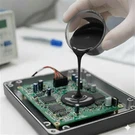
Clear epoxy is also used in electrical applications. For example, it can be used as a potting compound to protect electrical components. Our High - Gloss Clear Epoxy Potting Compound | E - 132/H - 100 | Fong Yong provides excellent insulation and protection against moisture and other contaminants.
Working with Clear Epoxy
When you're working with clear epoxy, there are a few key steps to follow.
First, make sure you have a clean and well - ventilated workspace. Epoxy fumes can be strong, so it's important to have good ventilation. You should also wear appropriate protective gear like gloves and safety glasses.
Next, measure the resin and hardener accurately according to the recommended ratio. Use separate measuring cups for each component to avoid cross - contamination. Pour the resin into a mixing container first, and then add the hardener.
Stir the mixture thoroughly. You want to make sure that the resin and hardener are completely combined. Use a stir stick and make sure to scrape the sides and bottom of the container to get all the material. Stir for at least a few minutes, depending on the product instructions.
Once you've mixed the epoxy, you need to work quickly. The pot life, which is the amount of time you have to work with the epoxy before it starts to thicken, can vary. Some epoxies have a short pot life of just a few minutes, while others can give you up to an hour or more.
When applying the epoxy, you can use a brush, a roller, or pour it directly, depending on the application. If you're using it for a flat surface, you might want to use a spreader to ensure an even coat.
Avoiding Common Problems
There are a few common problems that people run into when working with clear epoxy. One of the most common is bubbles. Bubbles can form in the epoxy during the mixing process or when it's poured. To get rid of bubbles, you can use a heat gun or a torch to gently pass over the surface of the epoxy. The heat will cause the bubbles to rise and pop.
Another issue is yellowing. Over time, some epoxies can start to turn yellow, especially if they're exposed to UV light. If you're looking for an epoxy that resists yellowing, our Anti - Yellowing Indoor Clear Epoxy Coating for Doming Applications|E - 2177 / H - 2177 is a great option. It's designed to maintain its clarity even when used in indoor applications where there's some exposure to light.


Conclusion
Clear epoxy is an incredibly versatile material with a wide range of applications. Understanding how it works, from the basic polymerization process to the practical aspects of working with it, can help you achieve great results in your projects. Whether you're an artist looking to create stunning resin art, an industrial manufacturer in need of reliable encapsulation or potting solutions, or someone interested in DIY projects like making a river table, there's a clear epoxy product out there for you.
If you're interested in purchasing clear epoxy for your projects, we'd love to have a chat with you. We can help you find the right product for your specific needs and answer any questions you might have. Don't hesitate to reach out and start a conversation about your epoxy procurement.
References
- Handbook of Epoxy Resins, Lee and Neville
- Epoxy Resins: Chemistry and Technology, Second Edition, Clayton A. May