


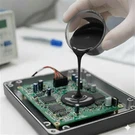


When it comes to epoxy potting compounds, one of the most critical properties that users often inquire about is the hardness of the cured material. As a leading supplier of epoxy potting compounds, I've witnessed firsthand the importance of understanding this characteristic for various applications. In this blog, we'll delve into what the hardness of cured epoxy potting compound means, how it's measured, and why it matters in different industries.
Understanding the Concept of Hardness in Epoxy Potting Compounds
Hardness in the context of cured epoxy potting compounds refers to the material's resistance to indentation, scratching, or deformation. It is a fundamental property that can significantly impact the performance and durability of the potted components. A harder epoxy potting compound can provide better protection against mechanical stress, abrasion, and environmental factors, while a softer one may offer more flexibility and shock absorption.
The hardness of epoxy potting compounds is influenced by several factors, including the chemical composition of the epoxy resin and hardener, the curing process, and the presence of any additives or fillers. Different formulations can result in a wide range of hardness values, allowing manufacturers to select the most suitable compound for their specific application.
Measuring the Hardness of Cured Epoxy Potting Compounds
There are several methods used to measure the hardness of cured epoxy potting compounds, with the most common being the Shore hardness scale. The Shore hardness scale is a standardized system that measures the resistance of a material to indentation using a durometer. There are two main types of Shore hardness scales: Shore A and Shore D.


- Shore A Hardness: This scale is typically used for softer materials, such as rubber and flexible plastics. Epoxy potting compounds with a Shore A hardness are generally more flexible and have better shock absorption properties. They are often used in applications where the potted components need to withstand vibrations or mechanical impacts.
- Shore D Hardness: The Shore D scale is used for harder materials, such as rigid plastics and metals. Epoxy potting compounds with a Shore D hardness are more rigid and provide better protection against abrasion and mechanical stress. They are commonly used in applications where the potted components need to be protected from harsh environments or where high structural integrity is required.
In addition to the Shore hardness scale, other methods, such as the Rockwell hardness test and the Brinell hardness test, can also be used to measure the hardness of epoxy potting compounds. However, these methods are less commonly used in the epoxy industry due to their complexity and the need for specialized equipment.
Importance of Hardness in Different Applications
The hardness of cured epoxy potting compounds plays a crucial role in various industries and applications. Here are some examples of how hardness can impact the performance of potted components:
- Electronics: In the electronics industry, epoxy potting compounds are used to protect sensitive electronic components from moisture, dust, and mechanical stress. A harder epoxy potting compound can provide better protection against physical damage and ensure the long-term reliability of the electronic devices. For applications requiring electrical insulation and environmental protection, electrically insulative potting epoxy resin is commonly used to improve long-term reliability of electronic assemblies. For example, Electrically Insulative Potting Epoxy Resin with a high Shore D hardness can be used to pot printed circuit boards (PCBs) and other electronic components, providing excellent electrical insulation and mechanical protection.
- Automotive: In the automotive industry, epoxy potting compounds are used to encapsulate sensors, connectors, and other electronic components. The hardness of the potting compound can affect the performance and durability of these components in harsh automotive environments. A harder epoxy potting compound can withstand high temperatures, vibrations, and mechanical stress, ensuring the reliable operation of the automotive systems. For instance, E759 / H759 Semi-flexible Epoxy: Structural-Grade Protection with Controlled Stress Relief offers a balance of hardness and flexibility, making it suitable for automotive applications where both mechanical protection and stress relief are required.
- Aerospace: In the aerospace industry, epoxy potting compounds are used to protect critical electronic components from extreme temperatures, radiation, and mechanical stress. The hardness of the potting compound is crucial for ensuring the reliability and performance of these components in the harsh aerospace environment. A harder epoxy potting compound can provide better protection against impact and vibration, reducing the risk of component failure.
Factors Affecting the Hardness of Cured Epoxy Potting Compounds
As mentioned earlier, the hardness of cured epoxy potting compounds is influenced by several factors. Here are some of the key factors that can affect the hardness of the potting compound:
- Chemical Composition: The chemical composition of the epoxy resin and hardener is one of the most important factors that determine the hardness of the cured potting compound. Different epoxy resins and hardeners have different molecular structures and reactivity, which can result in different hardness values. For example, epoxy resins with a higher cross-link density tend to have a higher hardness.
- Curing Process: The curing process also plays a significant role in determining the hardness of the cured potting compound. The curing temperature, time, and pressure can all affect the degree of cross-linking and the final hardness of the material. Generally, a higher curing temperature and longer curing time can result in a harder potting compound.
- Additives and Fillers: The addition of additives and fillers can also affect the hardness of the cured potting compound. For example, adding glass fibers or silica fillers can increase the hardness and stiffness of the potting compound, while adding plasticizers can decrease the hardness and increase the flexibility.
Selecting the Right Epoxy Potting Compound Based on Hardness
When selecting an epoxy potting compound, it's important to consider the specific requirements of your application, including the hardness of the potting compound. Here are some tips to help you select the right epoxy potting compound based on hardness:
- Understand Your Application: Before selecting an epoxy potting compound, it's important to understand the specific requirements of your application. Consider factors such as the operating environment, the type of components being potted, and the level of mechanical stress and protection required.
- Determine the Required Hardness: Based on your application requirements, determine the required hardness of the potting compound. Consider using the Shore hardness scale to select a potting compound with the appropriate hardness.
- Consult with a Supplier: If you're unsure which epoxy potting compound is right for your application, consult with a supplier. A reputable supplier can provide you with expert advice and recommend the best potting compound based on your specific requirements.
Conclusion
The hardness of cured epoxy potting compounds is a critical property that can significantly impact the performance and durability of potted components. By understanding the concept of hardness, how it's measured, and the factors that affect it, you can select the right epoxy potting compound for your specific application. As a leading supplier of epoxy potting compounds, we're committed to providing high-quality products and expert advice to help you achieve the best results. If you have any questions or need assistance in selecting the right epoxy potting compound, please don't hesitate to contact us for further discussion and potential procurement.
References
- What Is Epoxy Resin? Material Fundamentals, Limitations, and Design Trade-Offs
- Technical literature on epoxy potting compounds from industry standards and manufacturers.