


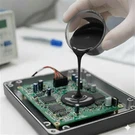


One-component silicone materials are widely used in electronics, automotive, and industrial sealing applications due to their long-term durability and environmental stability. Aging resistance is an important property engineers evaluate because it affects material reliability under heat, UV exposure, and moisture conditions.
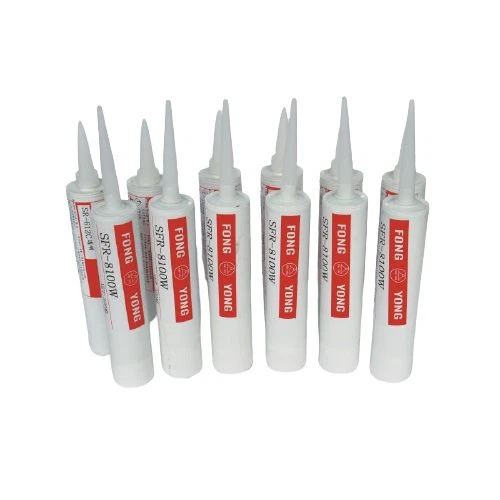

Understanding One Component Silicone
One component silicone is a single - part system that cures upon exposure to moisture in the air. It offers a wide range of benefits, including excellent adhesion, flexibility, and resistance to various environmental factors. These properties make it suitable for applications such as sealing, bonding, and coating in industries like automotive, electronics, construction, and more.
Aging Resistance Defined
Aging resistance refers to a material's ability to maintain its physical and chemical properties over time when exposed to various environmental conditions. For one component silicone, this means withstanding factors such as heat, cold, humidity, UV radiation, and chemical exposure without significant degradation.
Heat Resistance
One of the primary aging factors is heat. High temperatures can cause many materials to break down, become brittle, or lose their adhesive properties. However, one component silicone has excellent heat resistance. It can typically withstand continuous temperatures ranging from - 50°C to 200°C, and in some cases, even higher for short periods. This makes it ideal for applications in engines, industrial ovens, and other high - heat environments. For example, in automotive engines, one component silicone sealants can maintain their integrity and sealing ability even under the extreme heat generated during operation.
Cold Resistance
Conversely, cold temperatures can also be a challenge for materials. Many substances become rigid and lose their flexibility in cold conditions, which can lead to cracking and failure. One component silicone retains its flexibility and elasticity at low temperatures. This property is crucial in applications where the material is exposed to cold climates, such as in outdoor construction projects or in refrigeration systems.
Humidity and Moisture Resistance
Moisture can cause corrosion, mold growth, and degradation in many materials. One component silicone has a high resistance to humidity and moisture. Once cured, it forms a waterproof and airtight seal that prevents water and moisture from penetrating. This makes it an excellent choice for sealing joints in bathrooms, kitchens, and other areas prone to high humidity. It also protects electronic components from moisture damage, ensuring their long - term reliability.
UV Radiation Resistance
Exposure to UV radiation can cause materials to fade, become brittle, and lose their mechanical properties. One component silicone has good UV resistance, which means it can maintain its appearance and performance when exposed to sunlight over long periods. This is important for outdoor applications, such as sealing windows and doors in buildings, or for protecting outdoor signage and lighting fixtures.
Chemical Resistance
One component silicone is also resistant to a wide range of chemicals, including acids, bases, solvents, and oils. This chemical resistance allows it to be used in industrial environments where it may come into contact with various chemicals. For example, in chemical processing plants, one component silicone sealants can be used to seal pipes and joints, preventing chemical leaks and ensuring the safety and efficiency of the operations.
Our Product Offerings
We offer a diverse range of one-component silicone sealant that showcase outstanding aging resistance. Take our UL 94V - 0 Flame Retardant Silicone Sealant – SFR - 8200 - BK for example. This product not only has excellent flame retardancy but also maintains its sealing properties over time, even under harsh environmental conditions.
Another product is the Solvent - Free Silicone Conformal Coating For Automotive | High - Temp RTV - SK - 901U8 - C. Designed for automotive electronics, it provides reliable protection against heat, moisture, and chemicals, ensuring the long - term performance of sensitive electronic components.
Our Non Corresive Silicone Sealant is also a great option. It is non - corrosive to metals and has excellent aging resistance, making it suitable for a variety of sealing applications in different industries.
Importance of Aging Resistance in Applications
The aging resistance of one component silicone is of utmost importance in various applications. In the construction industry, it ensures the long - term integrity of buildings. Seals and joints made with one component silicone can prevent water leakage, air infiltration, and structural damage over many years. This reduces maintenance costs and enhances the energy efficiency of buildings.
In the electronics industry, aging resistance is crucial for the reliability of electronic devices. Conformal coatings made of one component silicone protect circuit boards from environmental factors, extending the lifespan of electronic products and reducing the risk of malfunctions.
In the automotive industry, one component silicone is used in engines, transmissions, and other critical components. Its aging resistance ensures the proper functioning of these parts, improving vehicle performance and safety.
Testing and Certification
To ensure the aging resistance of our one component silicone products, we conduct rigorous testing. These tests simulate real - world environmental conditions, including heat cycling, humidity exposure, UV radiation, and chemical immersion. Our products also meet various industry standards and certifications, which further validate their quality and performance.
Conclusion
In conclusion, the aging resistance of one component silicone is a key factor that makes it a preferred choice in many industries. Its ability to withstand heat, cold, humidity, UV radiation, and chemical exposure ensures long - term performance and reliability. Whether you are in the construction, electronics, automotive, or any other industry, our one component silicone products can provide the solution you need.
If you are interested in learning more about our one component silicone products or have specific requirements for your projects, we invite you to contact us for a detailed discussion. Our team of experts is ready to assist you in finding the most suitable product for your needs.
References
- "Silicone Elastomers: Science and Technology" by Clive L. Lee and A. L. Ellis
- Industry standards and technical documents related to one component silicone products.