


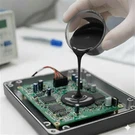


Can one component silicone be used for plastic bonding?
Can one component silicone adhesive be used for plastic bonding? That's a question often raised when selecting materials for plastic assembly and sealing applications. In this article, we explore bonding performance, material compatibility, and practical considerations.
What Is One Component Silicone?
One component silicone is a moisture-curing adhesive and sealant supplied as a ready-to-use material. It does not require mixing and cures when exposed to atmospheric humidity.
These materials are widely used as silicone adhesive sealants in electronics, construction, and industrial bonding applications.
Can It Bond Plastics?
The short answer is yes, but performance depends heavily on plastic surface energy and surface preparation.
Different plastics behave differently when bonding with silicone adhesives.
Types Of Plastics And Bonding Performance
-
Polyethylene (PE) and Polypropylene (PP)
These are low surface energy plastics and typically require surface treatment such as primer or plasma treatment to improve adhesion.
-
Acrylic and Polycarbonate
These materials generally bond well because their higher surface energy allows better adhesion performance.
-
ABS (Acrylonitrile Butadiene Styrene)
ABS typically bonds well with silicone adhesives and is commonly used in consumer electronics and automotive components.
Advantages Of Using One Component Silicone For Plastic Bonding
-
Flexibility
Cured silicone remains flexible and absorbs vibration, which is beneficial in electronics and automotive applications.
-
Weather resistance
Silicone maintains stability under UV exposure, humidity, and temperature variation.
-
Sealing capability
Besides bonding, silicone also functions as a sealing material to prevent moisture ingress. This is why many electrical insulating silicone sealants are used in electronics protection.
Limitations And Considerations
-
Cure time
Moisture cure systems require time depending on humidity and temperature.
-
Chemical resistance
Silicone may not resist aggressive solvents compared with epoxy adhesives.
-
Surface preparation
Some plastics require cleaning or priming before bonding.
Real World Applications
Electronics
Used for bonding plastic housings and protecting sensitive components from moisture and vibration.
Automotive
Used in dashboards, plastic trims and electrical assemblies.
Consumer products
Used in plastic assemblies requiring flexibility and sealing.
Tips For Successful Plastic Bonding
-
Surface cleaning
Remove oil and contamination before bonding.
-
Product selection
Choose materials designed for plastic bonding.
-
Proper application
Apply evenly and follow manufacturer curing recommendations.
Conclusion
One component silicone can be an effective bonding material for plastics when compatibility and processing conditions are properly considered. Material selection should always be based on substrate type, environmental exposure and mechanical requirements.
If you are evaluating silicone bonding materials for plastic assemblies, technical consultation and material testing are recommended to confirm suitability.
References:
ASTM standards on adhesive bonding
Silicone adhesive technical literature
Industry research on plastic bonding technologies