




One-component silicone sealants are widely used because of their ease of application and flexible curing behavior. A common question that arises in both industrial and general sealing applications is whether one-component silicone is compatible with other types of sealants. The answer is not always straightforward, as compatibility depends on several material and processing factors.
This article outlines the key considerations that influence whether one-component silicone can be used alongside other sealant systems.

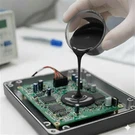
Figure 1. Representative illustration showing one-component silicone applied alongside different sealant systems, highlighting key compatibility considerations such as chemical interaction, surface preparation, and application conditions.
Understanding One-Component Silicone
One-component silicone sealants are single-part materials that cure through exposure to moisture in the surrounding air. Because they do not require mixing, they are commonly used in construction, electronics protection, and general sealing applications. After curing, they typically form a flexible, resilient elastomer that can tolerate thermal movement and environmental exposure.
However, curing behavior and final performance are influenced by both the substrate and any adjacent materials, which becomes particularly important when multiple sealants are involved.
Chemical Compatibility
One of the primary considerations is chemical compatibility between different sealant systems. Sealants are formulated using different polymer bases-such as silicone, polyurethane, or acrylic-and these materials do not always interact favorably with one another.
When incompatible sealants are applied together or layered improperly, issues such as poor adhesion, surface inhibition, cracking, or long-term degradation may occur. Even if both materials perform well individually, their interaction at the interface can compromise sealing effectiveness.
For this reason, compatibility should not be assumed solely based on general material categories.
Surface Preparation
Surface condition plays a critical role in sealant performance. Surfaces should be clean, dry, and free from oils, dust, or residual sealant materials before application. Applying one-component silicone over an existing sealant-especially if the original material is chemically different-can lead to adhesion failure even when the materials appear visually compatible.
Incomplete removal of old sealant residues is a common cause of unexpected compatibility issues.
Application Conditions
Environmental conditions during application and curing also influence compatibility outcomes. Temperature, humidity, and air circulation affect curing speed and surface formation. One-component silicones typically cure faster in warm, humid environments, while other sealant types may respond differently to the same conditions.
If two sealants cure at significantly different rates, internal stresses or weak interfacial bonding may develop, increasing the risk of premature failure.
Testing Compatibility in Practice
Because real-world conditions vary, small-scale compatibility testing is strongly recommended before full application. A simple test patch on a representative substrate can reveal potential issues such as poor adhesion, discoloration, cracking, or surface tackiness.
Observing how materials behave over time-rather than immediately after application-provides more reliable insight into long-term compatibility.
Conclusion
One-component silicone sealants can, in some cases, be used alongside other sealant systems, but compatibility depends on chemical interactions, surface preparation, and application conditions. Rather than relying on assumptions, evaluating these factors and performing practical tests helps reduce the risk of sealing failure.
Understanding how different sealants interact allows users to make more informed decisions and avoid unintended performance issues in both industrial and general sealing applications.
References
Schweitzer, P. A. Sealant Technology Handbook.
Deanin, R. D. Handbook of Sealants: Theory and Practice.