


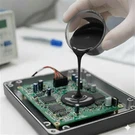


The working temperature range is one of the most important factors when selecting a two-part silicone potting compound for electronic encapsulation. In electronics applications, temperature resistance directly affects insulation reliability, material flexibility, and long-term protection of sensitive components operating under thermal stress.
The Basics of 2 Part Silicone Potting Compound
2 Part Silicone Potting Compound is a versatile material widely used in various industries, including electronics, automotive, and aerospace. Engineers selecting two-part silicone potting compounds for electronic protection typically evaluate temperature resistance as a key parameter. It consists of two components - a base and a curing agent - that are mixed together before application. Once mixed, the compound cures to form a flexible, rubber-like material that provides excellent protection for electronic components against moisture, dust, vibration, and thermal stress.
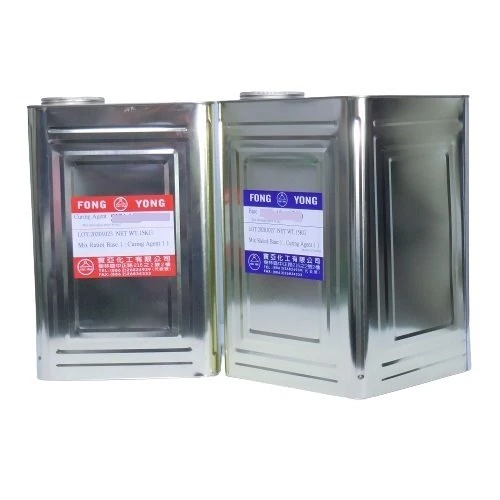

One of the key advantages of 2 Part Silicone Potting Compound is its wide working temperature range. Unlike some other potting materials, silicone can withstand extreme temperatures without losing its physical properties or protective capabilities. This makes it an ideal choice for applications that operate in harsh environments.
Typical Working Temperature Range
The working temperature range of 2 Part Silicone Potting Compound can vary depending on the specific formulation. However, most high - quality silicone potting compounds have a working temperature range of approximately - 60°C to 200°C (- 76°F to 392°F).
- Low - Temperature Limit: At temperatures as low as - 60°C, silicone potting compounds maintain their flexibility. This is crucial because in cold environments, many materials become brittle and can crack, which would compromise the protection of the encapsulated components. The flexibility of silicone at low temperatures ensures that it can expand and contract with the components during temperature changes, preventing any damage due to stress.
- High - Temperature Limit: On the high - end of the spectrum, up to 200°C, silicone retains its physical integrity. It doesn't melt or degrade rapidly, allowing it to continue protecting electronic components from heat, moisture, and other environmental factors. In fact, some specialized formulations can even withstand temperatures up to 250°C or higher.
Significance of the Temperature Range
The wide working temperature range of 2 Part Silicone Potting Compound has several important implications for its applications:
- Reliability in Harsh Environments: In industries such as automotive and aerospace, components are often exposed to extreme temperature variations. For example, an aircraft's electronics may experience sub - zero temperatures at high altitudes and high temperatures near the engines. Silicone potting compounds ensure that these components remain protected and operational throughout the flight.
- Thermal Cycling Resistance: Many electronic devices go through repeated heating and cooling cycles during normal operation. The ability of silicone potting compounds to maintain their properties over a wide temperature range means they can withstand these thermal cycles without cracking or losing adhesion. This helps to prevent moisture ingress and electrical shorts, thus increasing the reliability of the device.
Optimizing Performance in Different Temperature Conditions
To get the best performance out of 2 Part Silicone Potting Compound, it's important to consider the specific temperature requirements of the application. Here are some tips:
- Select the Right Formulation: Different formulations of 2 Part Silicone Potting Compound are designed to perform optimally in different temperature ranges. For applications that require high - temperature resistance, look for a compound with a higher maximum temperature rating. You can find more information about heat - resistant silicone potting compounds on our website: Optimize Performance With Heat Resistant Silicone Potting Compound.
- Proper Curing: The curing process of 2 Part Silicone Potting Compound is temperature - sensitive. Make sure to follow the manufacturer's instructions regarding the curing temperature and time. Curing at the correct temperature ensures that the compound develops its full mechanical and physical properties, including its high - and low - temperature resistance.
- Thermal Management: In some applications, additional thermal management techniques can be used in conjunction with silicone potting compounds. For example, heat sinks or thermal pads can be used to dissipate heat from the components, reducing the stress on the potting compound.
Specific Applications and Temperature Requirements
Let's take a look at some specific applications and their temperature requirements:
- Automotive Electronics: Automotive electronics, such as engine control units (ECUs) and sensors, are exposed to a wide range of temperatures. The under - hood environment can reach temperatures of over 100°C, while the electronics may also need to function in cold winter conditions. 2 Part Silicone Potting Compounds with a wide temperature range are essential to ensure the reliability of these components.
- LED Lighting: LED lighting fixtures generate heat during operation. Silicone potting compounds can protect the LED drivers and other electronic components from this heat, as well as from moisture and dust. They need to be able to withstand the elevated temperatures generated by the LEDs, typically in the range of 60°C - 100°C.
- Medical Devices: Medical devices often need to be sterilized, which can involve exposure to high temperatures. Silicone potting compounds used in medical devices must be able to withstand these sterilization processes without degrading.
Other Types of 2 Part Silicone Potting Compounds
In addition to the standard 2 Part Silicone Potting Compound, there are other specialized types available:
- Two - component Liquid Silicone Potting Rubber: This type of potting compound offers a more rubbery and flexible finish. It is often used in applications where shock and vibration resistance are critical. You can learn more about it on our website: Two - component Liquid Silicone Potting Rubber.
- Two Part Optically Clear Silicone Potting Compounds: These compounds are used in applications where optical clarity is required, such as in optoelectronic devices. They also have a wide working temperature range to ensure the performance of the encapsulated components. For more information, visit Two Part Optically Clear Silicone Potting Compounds.
Conclusion
The working temperature range of 2 Part Silicone Potting Compound is a critical factor in its performance and suitability for different applications. With a typical range of - 60°C to 200°C, it offers excellent protection for electronic components in a wide variety of harsh environments. By selecting the right formulation and following proper application procedures, you can optimize the performance of the potting compound in your specific application.
If you're in the market for high - quality 2 Part Silicone Potting Compound and want to discuss your specific requirements, please don't hesitate to contact us. We're here to help you find the best solution for your needs.
References
- "Silicone Rubber Handbook", Smith, J., 2018
- "Advanced Electronics Encapsulation", Johnson, M., 2020