




Epoxy resin is a versatile and widely used material in various industries, known for its excellent adhesive properties, chemical resistance, and mechanical strength. One of the key characteristics of epoxy resin is its hardness, which plays a crucial role in determining its suitability for different applications. In this blog post, as an epoxy resin supplier, I will delve into the concept of epoxy resin hardness, exploring what it means, how it is measured, and the factors that influence it.
Understanding Epoxy Resin Hardness
Hardness can be defined as the resistance of a material to indentation, scratching, or abrasion. In the context of epoxy resin, hardness refers to the ability of the cured resin to withstand mechanical stress and maintain its shape and integrity. A harder epoxy resin will be more resistant to wear and tear, making it suitable for applications where durability is essential.
There are several different types of hardness that can be measured for epoxy resin, including Barcol hardness, Shore hardness, and Rockwell hardness. Each of these methods uses a different scale and testing procedure to quantify the hardness of the material.
- Barcol Hardness: This is a commonly used method for measuring the hardness of epoxy resin, especially in the composites industry. The Barcol hardness tester uses a small indenter to penetrate the surface of the resin, and the hardness is measured based on the depth of the indentation. The Barcol hardness scale ranges from 0 to 100, with higher values indicating a harder material.
- Shore Hardness: The Shore hardness test is used to measure the hardness of elastomers and soft plastics, but it can also be applied to epoxy resin. There are two main types of Shore hardness scales: Shore A and Shore D. The Shore A scale is used for softer materials, while the Shore D scale is used for harder materials. The hardness is measured by pressing a blunt indenter into the surface of the resin and measuring the depth of penetration.
- Rockwell Hardness: The Rockwell hardness test is a more precise method for measuring the hardness of metals and hard plastics, but it can also be used for epoxy resin. This test uses a larger indenter than the Barcol or Shore tests, and the hardness is measured based on the depth of the indentation after a specified load has been applied. The Rockwell hardness scale has several different scales, depending on the type of indenter and the load used.
Factors Affecting Epoxy Resin Hardness
The hardness of epoxy resin is influenced by several factors, including the type of resin and hardener used, the mixing ratio, the curing conditions, and the presence of additives or fillers.
- Type of Resin and Hardener: Different types of epoxy resins and hardeners have different chemical compositions, which can affect the hardness of the cured resin. For example, some epoxy resins are formulated to be more flexible, while others are designed to be harder and more rigid. The choice of resin and hardener will depend on the specific application requirements.
- Mixing Ratio: The ratio of resin to hardener is critical for achieving the desired hardness in the cured resin. If the mixing ratio is not correct, the resin may not cure properly, resulting in a soft or sticky surface. It is important to follow the manufacturer's instructions carefully when mixing the resin and hardener to ensure a proper cure.
- Curing Conditions: The curing conditions, such as temperature and humidity, can also affect the hardness of the epoxy resin. Generally, higher temperatures and lower humidity will result in a faster cure and a harder resin. However, if the temperature is too high, the resin may cure too quickly, leading to cracking or other defects. It is important to cure the resin under the recommended conditions to achieve the best results.
- Additives and Fillers: The addition of additives or fillers to the epoxy resin can also affect its hardness. For example, adding silica or alumina fillers can increase the hardness and abrasion resistance of the resin, while adding plasticizers can make the resin more flexible. The type and amount of additives or fillers used will depend on the specific application requirements.
Applications of Epoxy Resin Based on Hardness
The hardness of epoxy resin makes it suitable for a wide range of applications, from art and crafts to industrial and commercial uses. Here are some examples of how different hardness levels of epoxy resin are used in various applications:
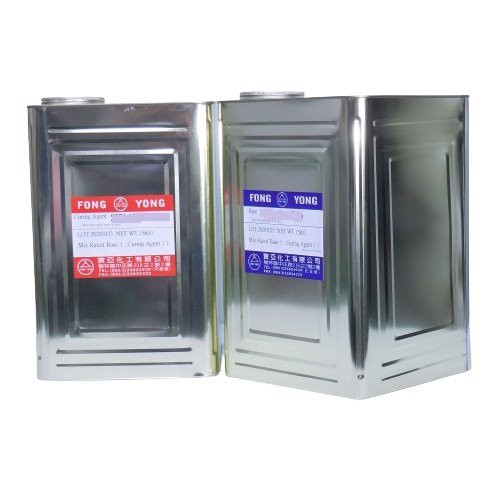

- Low Hardness Epoxy Resin: Epoxy resins with low hardness are often used for applications where flexibility is required, such as in the production of flexible molds, gaskets, and seals. These resins can also be used for coating applications where a soft, rubbery finish is desired. For example, our Clear Flexible Sticker Doming Epoxy Resin is a low hardness epoxy resin that is ideal for creating clear, flexible stickers and doming applications.
- Medium Hardness Epoxy Resin: Medium hardness epoxy resins are commonly used for general-purpose applications, such as surface coating, casting, and laminating. These resins offer a good balance of hardness and flexibility, making them suitable for a variety of applications. Our Quality Crystal Clear Epoxy Resin For Art Work Casting & Surface Coating E - 1001/H - 1001, Taiwan is a medium hardness epoxy resin that is perfect for creating high - quality art pieces, jewelry, and other decorative items.
- High Hardness Epoxy Resin: High hardness epoxy resins are used for applications where extreme durability and wear resistance are required, such as in the production of industrial flooring, automotive parts, and electronic components. These resins can withstand heavy loads, abrasion, and chemical exposure. Our AB Liquid Epoxy Resin for Potting Circuit Boards is a high hardness epoxy resin that is specifically designed for potting and encapsulating electronic components, providing excellent protection against moisture, dust, and mechanical stress.
Conclusion
In conclusion, the hardness of epoxy resin is a critical property that determines its suitability for different applications. By understanding the different types of hardness measurements, the factors that affect hardness, and the applications of epoxy resin based on hardness, you can make an informed decision when choosing the right epoxy resin for your project.
As an epoxy resin supplier, we offer a wide range of epoxy resins with different hardness levels to meet the diverse needs of our customers. Whether you are looking for a low hardness resin for a flexible application or a high hardness resin for a demanding industrial use, we have the right product for you.
If you are interested in learning more about our epoxy resin products or would like to discuss your specific requirements, please feel free to contact us. We are always happy to help you find the best solution for your project.
References
- "Epoxy Resins: Chemistry and Technology" by Clayton A. May
- "Handbook of Epoxy Resins" by Henry Lee and Kris Neville